
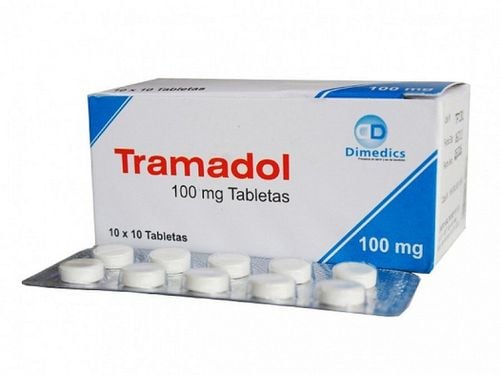
What is tramadol?
is tramadol an opioid is an opioid agonist that may be used to treat moderate to moderately severe chronic pain in adults.
- Extended-release forms of tramadol may be used in adults who require around-the-clock treatment of their pain for an extended period.
Brands of tramadol include ConZip, Qdolo, Ultram, and Ultram ER. Generic tramadol is available.
Taking tramadol in combination with other pain-relieving medicines such as acetaminophen, ibuprofen, or aspirin can provide better pain relief than just taking one pain-relieving medicine by itself (see Can you take tramadol in combination with acetaminophen, ibuprofen, or aspirin?)
Tramadol first gained FDA approval on March 3, 1995. Originally it was classified as a non-controlled substance but it was reclassified in 2014 to Schedule IV of the Controlled Substances Act with restrictions on its prescribing. Tramadol is an opioid (see Is tramadol an opioid?).
A person’s genetics can affect the pain-relieving properties of tramadol (see How do genetics affect tramadol?).
Is Tramadol an opioid?
Yes, tramadol is an opioid. The opioid activity of tramadol is due to its binding to mu-opioid receptors.
Tramadol side effects
Common side effects
The most common side effects of tramadol are:
- nausea
- constipation
- dry mouth
- drowsiness
- dizziness
- vomiting.
Serious tramadol side effects and warnings
Is Tramadol an opioid
Tramadol may cause serious side effects, some of which may be fatal.
Tramadol can slow or stop your breathing and may be habit-forming. MISUSE OF THIS MEDICINE CAN CAUSE ADDICTION, OVERDOSE, OR DEATH, especially in a child or other person using the medicine without a prescription. Keep this medicine where others cannot get to it. Do not take more tramadol than prescribed as an overdosage can be fatal. Selling or giving away this medicine is against the law.
- A person caring for you should give naloxone and seek emergency medical attention if you have slow breathing with long pauses, blue-colored lips, or if you find it hard to wake up. Serious breathing problems may be more likely in older adults and people who are debilitated or have wasting syndrome or chronic breathing disorders.
- Call your doctor at once if you have:
- noisy breathing, sighing, shallow breathing, breathing that stops during sleep
- a slow heart rate or weak pulse
- a light-headed feeling, like you might pass out
- seizure (convulsions) or
- low cortisol levels – nausea, vomiting, loss of appetite, dizziness, worsening tiredness or weakness.
Seek medical attention right away if you have symptoms of serotonin syndrome, such as agitation, hallucinations, fever, sweating, shivering, fast heart rate, muscle stiffness, twitching, loss of coordination, nausea, vomiting, or diarrhea.
Reviews
There are no reviews yet.